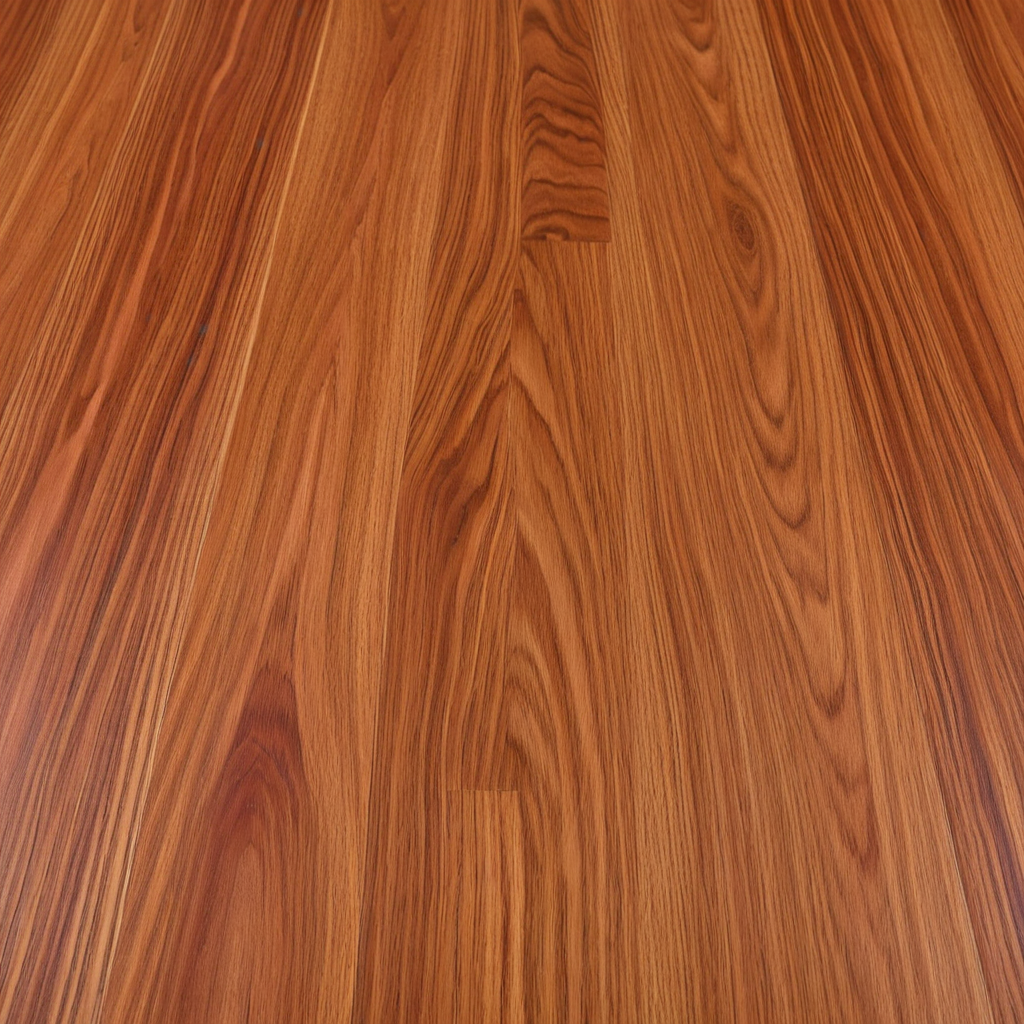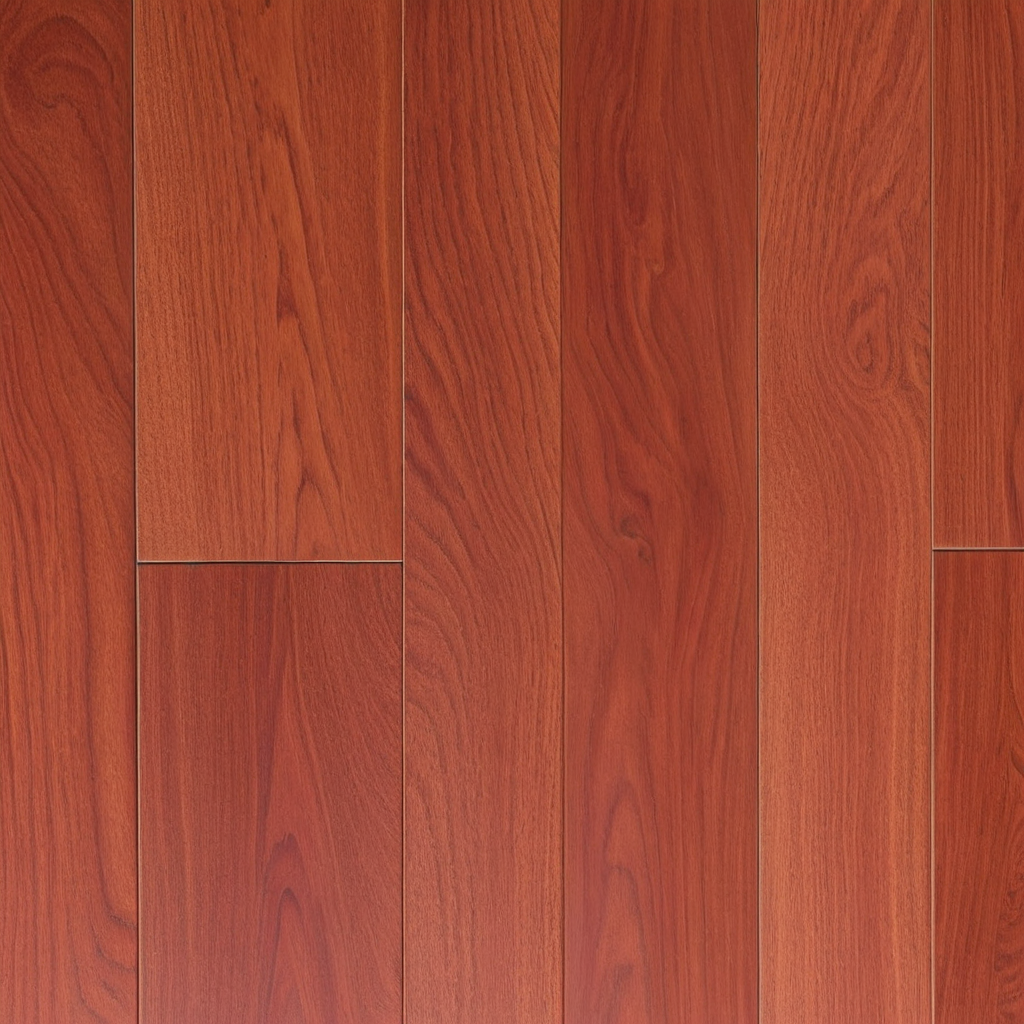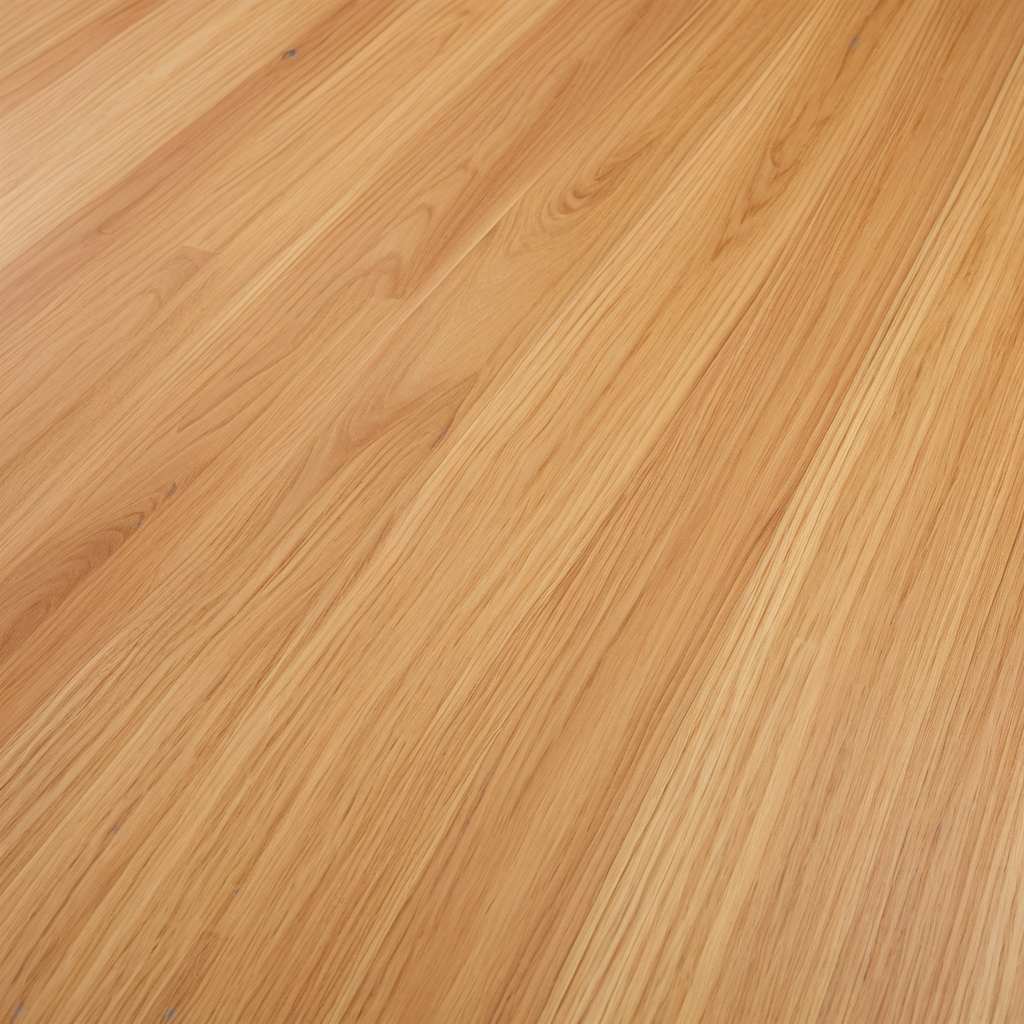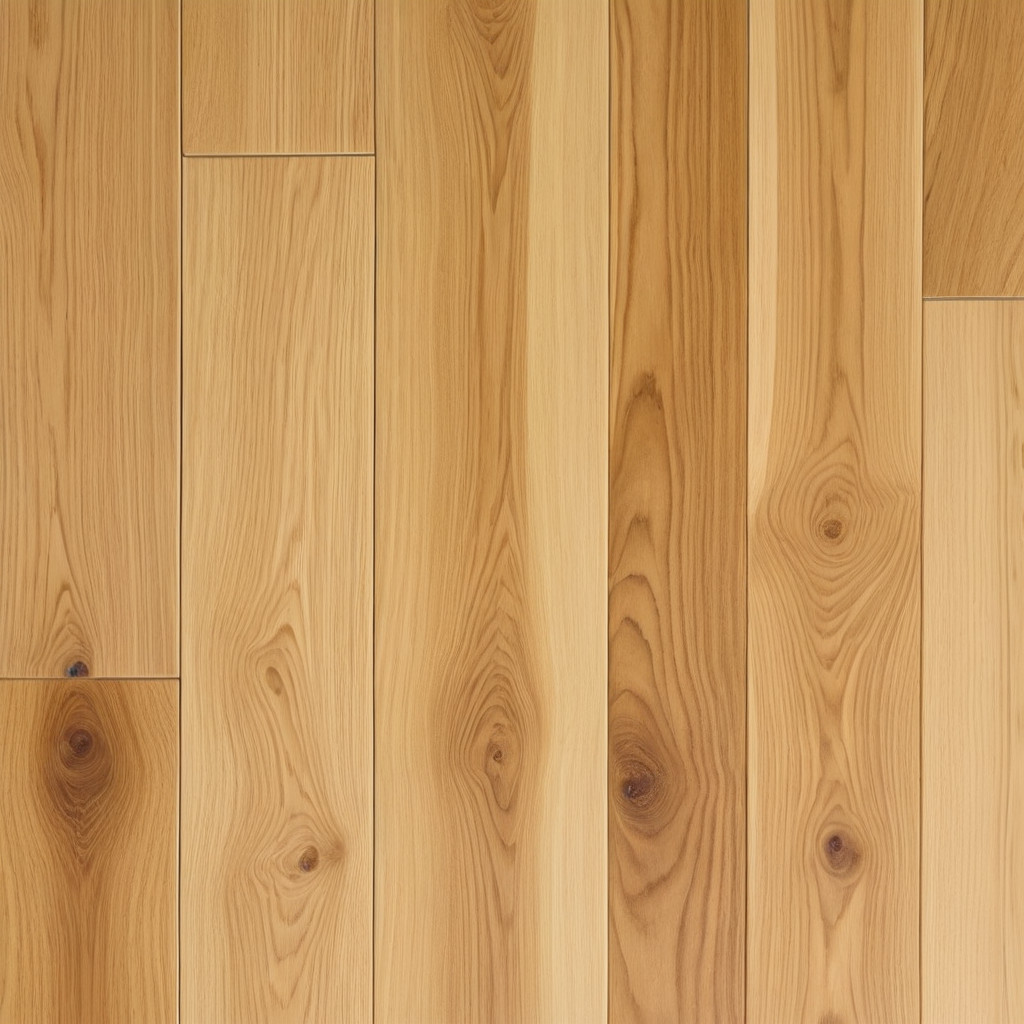
14.0 kN — Extremely Hard
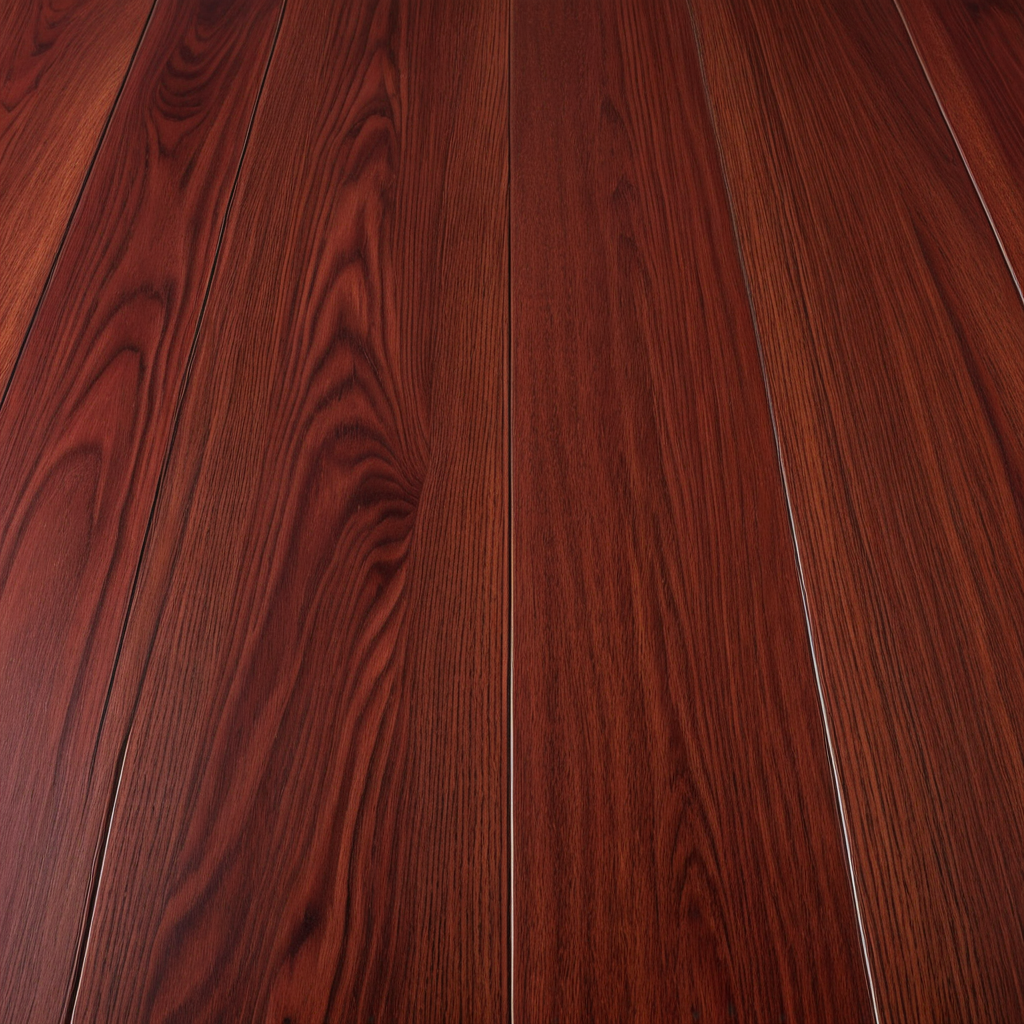
Ironbark
Typically darker brown to red-brown tones
Ironbark is for clients who care about toughness first. It is the sort of floor that suits high-traffic areas and homes where resilience matters.
Full species guide →
The practical trade view — Janka hardness, durability class, and what each species is actually like to sand and finish.
14.0 kN — Extremely Hard
Typically darker brown to red-brown tones
Ironbark is for clients who care about toughness first. It is the sort of floor that suits high-traffic areas and homes where resilience matters.
Full species guide →11.0 kN — Very Hard
Light brown through deeper red-brown
From a sanding point of view, Spotted Gum gives you a strong Australian look with real movement in the board. Great when the client wants character, not a flat uniform floor.
Full species guide →9.5 kN — Hard
Warm pinkish to reddish-brown hues
Brushbox has a more refined visual feel. It suits customers who want a hardwood floor with colour and class, without going as dark and dramatic as Jarrah.
Full species guide →9.1 kN — Hard
Golden yellow to pale brown
This is one of the easiest species to recommend when a client wants a lighter Australian hardwood that still feels properly solid and timeless.
Full species guide →8.6 kN — Hard
Pale to dark yellow-brown with occasional olive tones
Tallowwood is a serious performer. It is one of those species that quietly earns respect because it handles hard service, moisture and outdoor exposure better than most people realise.
Full species guide →8.5 kN — Hard
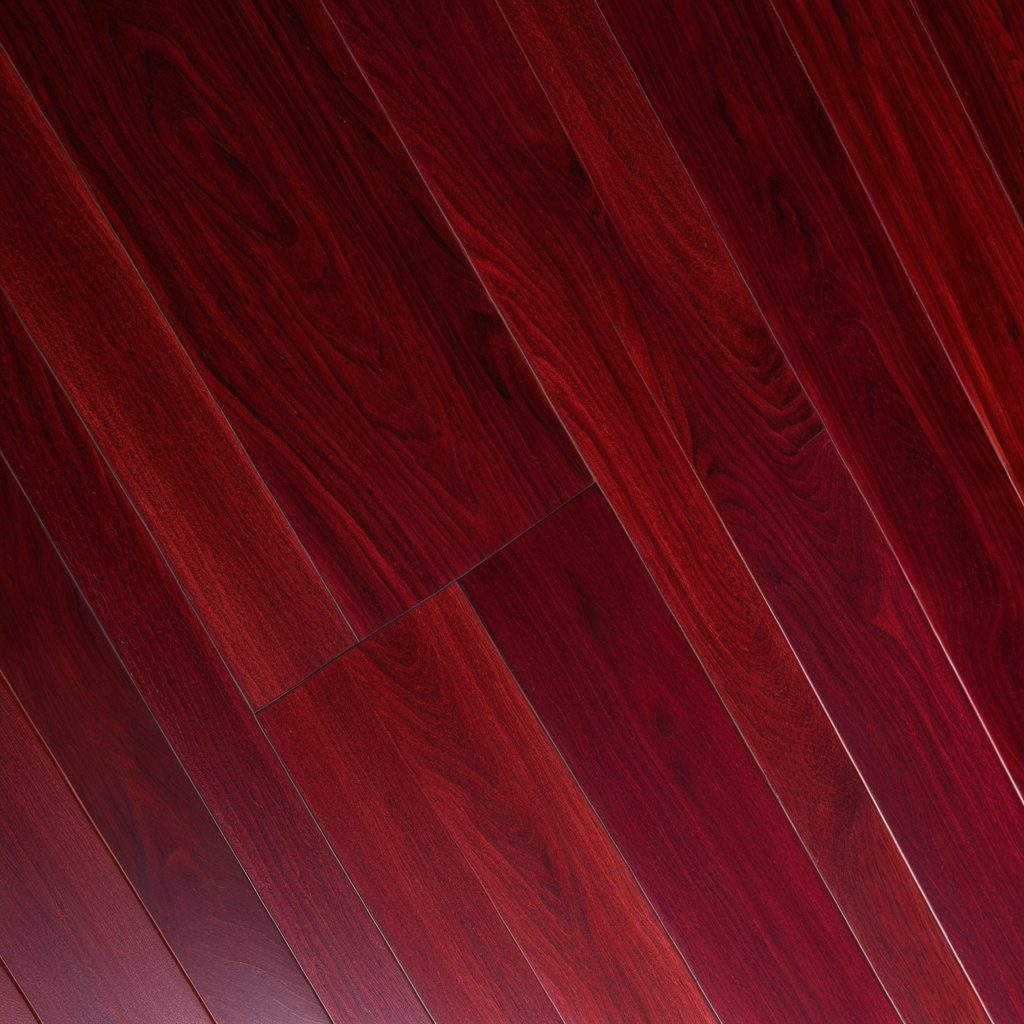
Deep brown to burgundy red
Jarrah has presence. When a customer wants warmth, depth and an older-school premium feel, this is the one that stands out straight away.
Full species guide →5.5 kN — Moderate
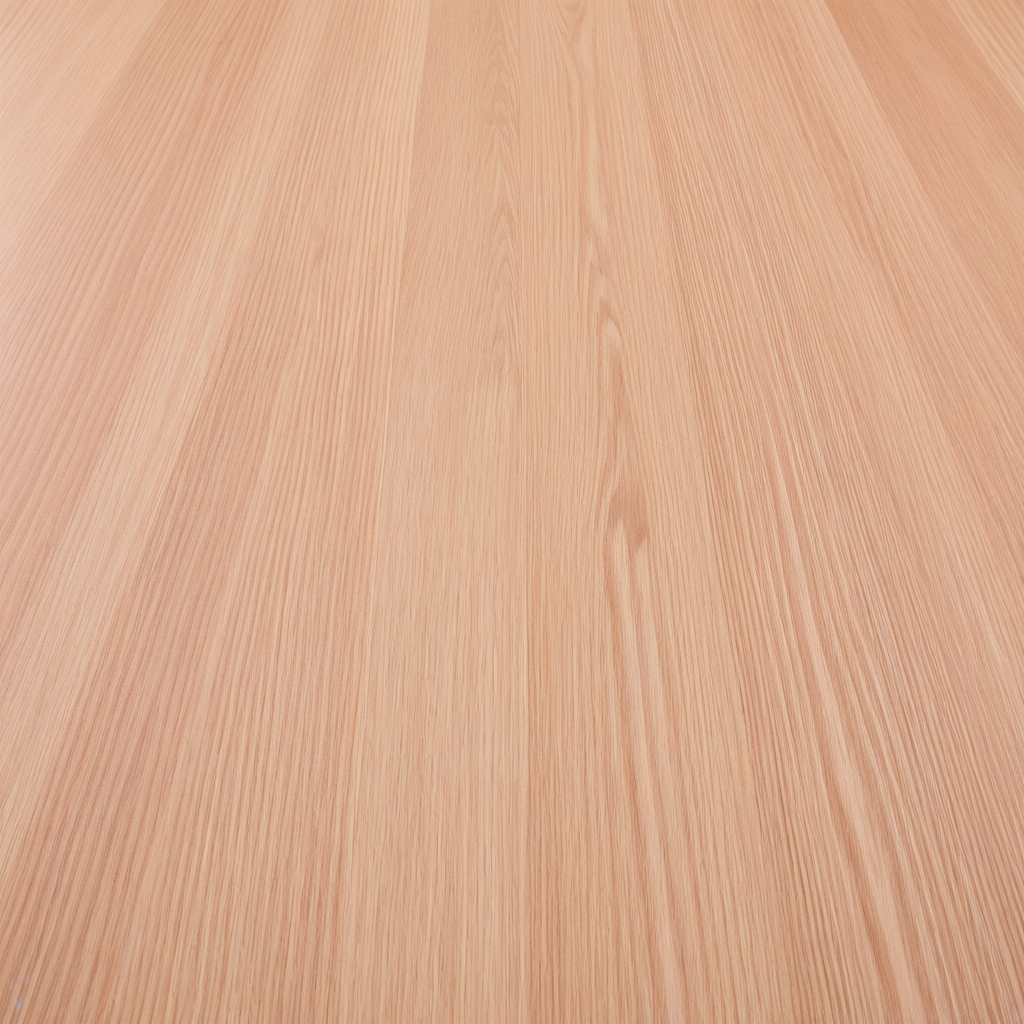
Straw, cream, pink and light reddish-brown
Tas Oak is a good choice when people want a lighter, softer-looking floor that can be stained well. It is more about warmth and flexibility in finish than brute hardness.
Full species guide →4.5 kN — Moderate
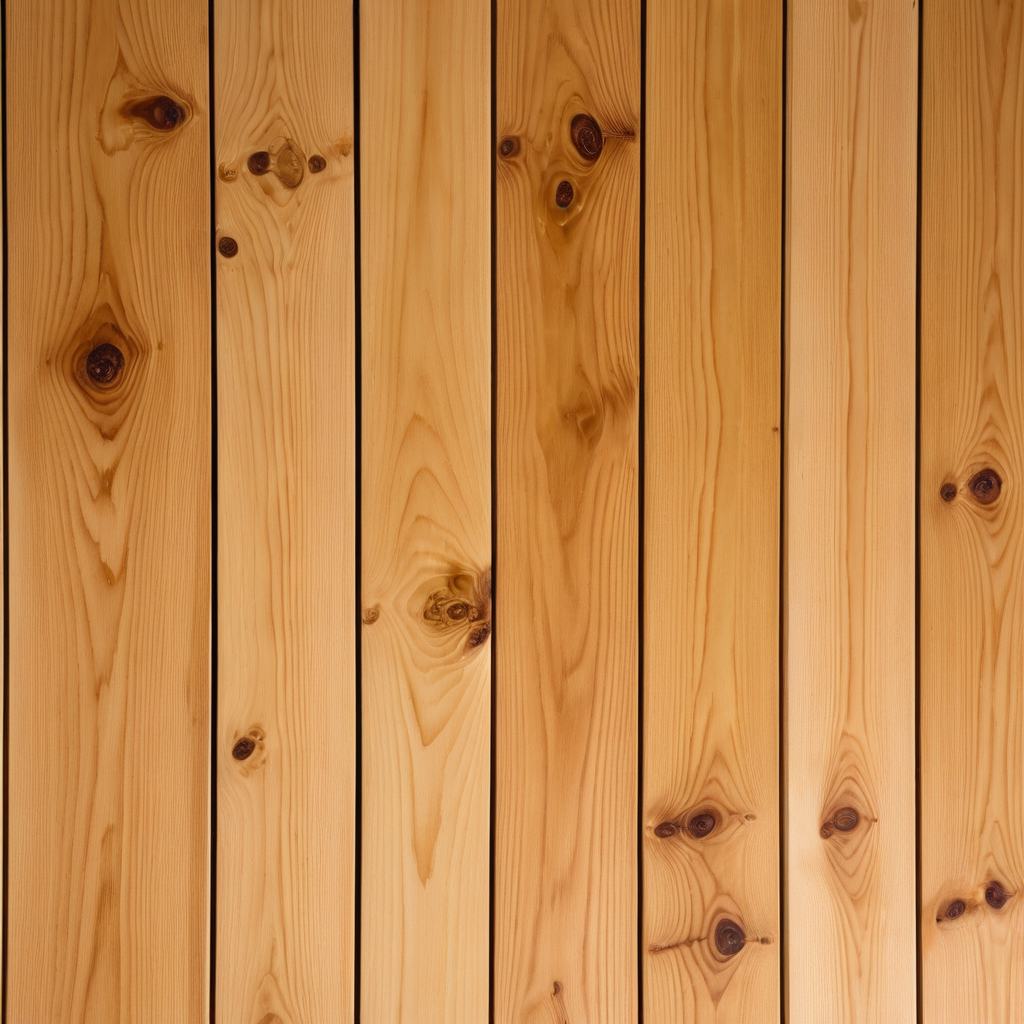
Honey gold through deeper rustic brown
Cypress Pine has a proper Australian look and a lot of personality. It is not for clients chasing a super-uniform showroom floor. It is for people who want warmth, texture and character.
Full species guide →If you ask a floor sander instead of a showroom salesperson, the answer is pretty simple: solid timber is the real thing. It gives the best long-term sanding and restoration value, and it is perfectly fine over concrete when the slab, moisture control and installation are handled properly.
Engineered timber still exists as an option, but it is not the first recommendation. A lot of people pull up carpet, see staples, black edging and old coating and think the timber underneath is ruined. Half the time it just needs proper sanding and repair to bring it back to something far better than whatever goes over the top of it.